

Movies Industry Complete Guide
What are Movies?
Movies are one of the most powerful forms of entertainment ever created. They are visual stories that combine acting, sound, music, visuals, and emotions to create a complete experience for the audience. When you sit down to watch a movie, you are not just watching moving pictures—you are stepping into a different world where imagination becomes reality. Movies can make you laugh, cry, think, or even question life itself.
At their core, movies are storytelling tools. They allow creators to share ideas, culture, history, and emotions in a way that is easy to understand and deeply engaging. Unlike books, which rely on imagination alone, movies provide a complete sensory experience. The combination of visuals and sound makes them more impactful and memorable. Whether it is a short animated story or a three-hour epic drama, movies always aim to connect with human emotions.
In today’s world, movies are not just entertainment; they are also a massive industry that influences fashion, culture, technology, and even global thinking patterns. From small independent films to huge blockbuster productions, movies continue to evolve and shape how people experience storytelling across the globe.
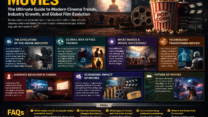
Evolution of Movies Over Time
The journey of movies began more than a century ago when silent films were the only form of cinematic storytelling. In the early days, movies had no sound, and actors used exaggerated expressions to communicate emotions. Over time, sound was introduced, changing everything forever. Suddenly, dialogue, music, and sound effects brought films to life in a completely new way.
As technology advanced, color was introduced, replacing black-and-white visuals. This made movies more realistic and visually appealing. Later, digital technology transformed filmmaking once again, allowing directors to create stunning visual effects that were impossible before. Today, computer-generated imagery has taken storytelling to a whole new level, enabling filmmakers to create entire universes on screen.
Modern movies are now available in cinemas, televisions, and streaming platforms, making them more accessible than ever. People can watch films anytime and anywhere, which has completely changed viewing habits. The evolution of movies shows how creativity and technology work together to continuously improve entertainment.
Genres of Movies Explained
Movies come in many different genres, and each genre offers a unique experience. Genres help viewers choose what kind of story they want to watch based on mood and interest. Some people enjoy fast-paced action, while others prefer emotional dramas or light comedy.
Genres also help filmmakers structure their stories. Each genre has its own style, storytelling techniques, and audience expectations. For example, horror movies focus on suspense and fear, while romantic movies focus on love and relationships. Understanding genres makes it easier to explore the world of movies and discover new favorites.
Action Movies
Action movies are all about excitement, energy, and high-intensity scenes. They often include car chases, fight sequences, explosions, and heroic characters. The main goal of action movies is to keep the audience on the edge of their seats.
These movies usually follow a strong protagonist who faces dangerous challenges. The story is fast-paced, and the visuals are often enhanced with special effects. Action movies are popular because they provide pure entertainment and adrenaline rush.
Comedy Movies
Comedy movies are designed to make people laugh and feel happy. They use humor, funny situations, and witty dialogues to entertain audiences. These movies often focus on everyday life situations but present them in a humorous way.
Comedy films are important because they help reduce stress and improve mood. They are light-hearted and enjoyable for all age groups. Whether it is slapstick humor or intelligent comedy, these movies always bring joy to viewers.
How Movies Are Made
Making a movie is a long and complex process that involves creativity, planning, and teamwork. A single movie can take months or even years to complete. Many professionals work together to bring a story to life on screen.
Filmmaking is divided into three main stages: pre-production, production, and post-production. Each stage plays a crucial role in shaping the final outcome. Without proper planning and execution, a movie cannot succeed.
Pre-Production Stage
Pre-production is the planning phase of filmmaking. This is where the script is written, actors are selected, locations are decided, and the budget is prepared. Directors and producers work together to design the entire movie structure before filming begins.
This stage is extremely important because it sets the foundation for everything that follows. Good planning can save time, money, and effort during production. Storyboards and schedules are also created during this phase.
Production Stage
The production stage is when the actual filming happens. Actors perform their roles, cameras start rolling, and scenes are recorded. This is the most active and exciting part of filmmaking.
Directors guide the actors and crew to ensure every scene matches the vision of the story. Lighting, sound, and camera work all come together during this phase. It is also the most expensive stage because it involves many resources and equipment.
Post-Production Stage
Post-production is where the movie is edited and finalized. Editors cut and arrange scenes, add visual effects, and enhance sound quality. Background music is also added to improve emotional impact.
This stage transforms raw footage into a complete movie. Without post-production, a film would not have the polish and smooth flow that audiences expect. It is the final step before the movie is released to the public.
Movie Industry Trends Today
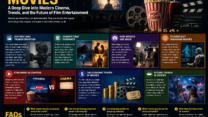
The movie industry is constantly changing due to technology and audience behavior. Today, digital platforms and advanced technology play a major role in shaping how movies are produced and consumed.
Filmmakers now focus on global audiences, creating content that appeals to people from different cultures and backgrounds. At the same time, viewers have more control over what they watch and when they watch it.
Streaming Platforms Impact
Streaming platforms have completely transformed the movie industry. Instead of going to cinemas, people can now watch movies at home using their devices. This convenience has changed viewing habits worldwide.
These platforms also allow smaller filmmakers to showcase their work to a global audience. As a result, more diverse stories are being told, and competition in the industry has increased.
Cinema Experience Changes
Even though streaming is popular, cinemas still offer a unique experience. Watching a movie on a big screen with surround sound creates a powerful emotional impact. However, cinemas have had to improve their services to attract audiences.
Modern theaters now offer luxury seating, better visuals, and advanced sound systems. This has turned movie-watching into a premium experience rather than just entertainment.
Understanding “Movie” as a Concept
The word “movie” is often used to describe any form of motion picture storytelling. It represents creativity, imagination, and communication. A movie is more than just entertainment—it is a reflection of society, culture, and human emotions.
Movies allow people to explore different perspectives and experiences. They can transport viewers to different worlds, times, and realities. This makes movies one of the most powerful storytelling tools in modern history.
Difference Between Movies and Films
Although many people use the words “movie” and “film” interchangeably, there are slight differences between them. Movies are often considered more commercial and entertainment-focused, while films are seen as more artistic and serious.
| Aspect | Movies | Films |
|---|---|---|
| Purpose | Entertainment | Artistic expression |
| Style | Commercial | Creative/experimental |
| Audience | Mass audience | Niche audience |
| Budget | Often high | Can be low or high |
Both movies and films are important in their own way. Movies bring entertainment to the masses, while films often explore deeper meanings and artistic storytelling.
How to Review a Movie Properly
Reviewing a movie requires attention to detail and understanding of storytelling elements. A good review looks at different aspects of the film rather than just saying whether it was good or bad.
Plot Analysis
The plot is the backbone of any movie. It refers to the story structure and how events unfold. A strong plot keeps viewers engaged and emotionally invested.
When reviewing a plot, it is important to check whether the story is logical, interesting, and well-paced. A weak plot can make even a visually stunning movie less enjoyable.
Acting Performance
Actors play a major role in bringing characters to life. Their performance can make or break a movie. Good acting makes the audience believe in the story and connect with characters emotionally.
A review should consider how naturally actors perform, how well they express emotions, and how believable their characters are.
Cinematography Review
Cinematography refers to how a movie is visually captured. It includes camera angles, lighting, color, and composition. Good cinematography enhances storytelling and creates mood.
A visually stunning movie can leave a lasting impression even without strong dialogue. That is why cinematography is an essential part of movie evaluation.
Future of Movies and Entertainment Industry
The future of movies looks exciting and full of innovation. Technology like virtual reality, artificial intelligence, and advanced animation will continue to transform storytelling.
Movies will become more interactive, allowing audiences to experience stories in new ways. Personalized content may also become more common, where viewers influence how stories unfold.
As global connectivity increases, movies will continue to bring people together from different cultures and backgrounds. The evolution of storytelling will never stop, and movies will remain a central part of human entertainment.
Conclusion
Movies are more than just entertainment—they are a reflection of human imagination, culture, and creativity. From silent films to digital masterpieces, the journey of movies shows how far storytelling has come. Understanding genres, production stages, and industry trends helps us appreciate the effort behind every film.
Whether it is an action-packed blockbuster or a simple emotional story, movies continue to shape how we see the world. They connect people, inspire ideas, and create unforgettable experiences that stay with us for life.
FAQs
1. What is the main purpose of movies?
Movies are created to entertain, inform, and emotionally connect with audiences through storytelling.
2. How are movies made?
Movies are made through three stages: pre-production, production, and post-production.
3. What is the difference between movies and films?
Movies are generally commercial entertainment, while films often focus on artistic expression.
4. Why are movies so popular?
Movies are popular because they combine visuals, sound, and storytelling to create an immersive experience.
5. What is the future of movies?
The future of movies will include advanced technology like virtual reality and AI-driven storytelling.






Leave a Reply