

Movie Industry and Modern Storytelling Guide
What is a Movie?
A movie is a form of visual storytelling that uses moving images, sound, dialogue, and music to present a narrative to the audience. It is one of the most powerful entertainment mediums in the world because it combines multiple art forms into one experience. When people watch a movie, they are not just observing characters on a screen—they are emotionally engaging with a story designed to make them feel something deeply.
Movies can be fictional or based on real-life events. They can be short or extremely long, simple or highly complex. The beauty of movies lies in their ability to transport viewers into different worlds, eras, and emotional experiences without them ever leaving their seat. Whether it is a romantic drama, a thrilling action story, or a suspenseful mystery, movies shape how people understand storytelling in modern society.
At the same time, movies are also a major industry. Thousands of professionals including directors, writers, actors, editors, and technicians work together to create a single film. This collaboration makes movies not just art but also a global business that generates billions every year.
History of Movie Development
The history of movies is a fascinating journey that reflects human creativity and technological progress. Early movies were silent and black-and-white, relying only on visuals and expressions to tell a story. Actors had to exaggerate emotions because there was no sound or dialogue to support the narrative.
With the invention of sound in films, storytelling changed completely. Suddenly, characters could speak, music could enhance emotions, and audiences became more engaged. This marked a turning point in cinema history. Later, color films replaced black-and-white visuals, making movies more realistic and visually appealing.
As technology continued to evolve, digital filmmaking replaced traditional film reels. Today, most movies are created using advanced cameras, computer graphics, and digital editing tools. The journey from silent films to modern digital cinema shows how movies have continuously adapted to innovation and audience expectations.
Types of Movie Genres
Movie genres help categorize films based on their storytelling style and emotional tone. Each genre offers a different experience, allowing viewers to choose what suits their mood and interest.
Genres are important because they set expectations for the audience. For example, someone watching a horror movie expects fear and suspense, while a drama film focuses on emotional storytelling. Understanding genres makes it easier to explore the vast world of movies.
Drama Movies
Drama movies focus on emotional storytelling and character development. They often explore real-life situations such as relationships, personal struggles, and moral dilemmas. These films aim to connect deeply with the audience by reflecting human emotions and experiences.
Drama films are powerful because they feel real. They don’t always rely on action or fantasy; instead, they focus on storytelling that mirrors everyday life. This makes them relatable and emotionally engaging.
Horror Movies
Horror movies are designed to create fear, suspense, and tension. They often include supernatural elements, psychological thrillers, or frightening situations. The main goal is to keep the audience on edge and deliver shocking moments.
These films use lighting, sound effects, and music to build atmosphere. A well-made horror movie can leave a lasting impression and even make viewers think twice before turning off the lights at night.
Movie Production Process
Creating a movie involves several stages that require teamwork, creativity, and planning. Each stage plays a crucial role in bringing a story from idea to screen.
Script Development
The script is the foundation of every movie. It contains dialogue, scenes, and story structure. Writers spend a lot of time developing characters and plotlines before production begins.
A strong script is essential because it guides the entire filmmaking process. Without a good script, even high-budget movies can fail.
Filming Stage
The filming stage is where the movie comes to life. Actors perform scenes while cameras capture every moment. Directors guide the team to ensure the story is visually and emotionally accurate.
This stage requires coordination between lighting, sound, and camera crews. Every detail matters because it directly affects the final output.
Editing Stage
Editing is where raw footage is transformed into a complete movie. Editors cut unnecessary scenes, arrange sequences, and add effects to improve storytelling.
Music, sound effects, and color correction are also added during this stage. Editing is what gives a movie its final polished look.
Latest Movie Industry Trends (2026)
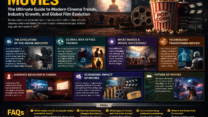
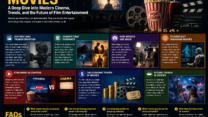
The movie industry is constantly evolving due to new technology and changing audience behavior. In recent years, several important trends have emerged that are shaping the future of filmmaking.
One major trend is the rise of artificial intelligence in movie production. AI is now used for editing, script analysis, and even generating visual content. Another major trend is the growth of streaming platforms, which allow people to watch movies anytime without going to cinemas.
AI in Filmmaking
Artificial intelligence is changing how movies are made. It helps filmmakers with visual effects, editing, and even generating scenes. AI can reduce production time and costs while improving creativity.
However, there are also concerns about originality and human creativity. Many experts believe AI will assist filmmakers rather than replace them. Recent industry discussions highlight that AI is becoming a tool for creativity rather than a replacement for artists.
AI is also being used to create more realistic visuals and improve storytelling efficiency. This technology is expected to grow even more in the coming years.
Streaming Platform Growth
Streaming platforms have completely changed how people consume movies. Instead of waiting for cinema releases, audiences can now access films instantly from home.
This shift has also increased competition among filmmakers. More content is being produced for digital platforms, and viewers now have unlimited choices. Streaming has made movies more accessible and global than ever before.
Cinema Experience vs Home Viewing
Watching movies in cinemas and at home offers two completely different experiences. Cinemas provide large screens, surround sound, and a shared audience experience that enhances emotional impact.
On the other hand, home viewing offers comfort and convenience. People can watch movies anytime without restrictions. While streaming is growing rapidly, cinemas still remain important for blockbuster releases and special movie events.
Role of Technology in Movies
Technology plays a major role in modern filmmaking. From advanced cameras to computer-generated imagery, technology helps bring creative ideas to life.
Visual effects allow filmmakers to create scenes that would be impossible in real life. Digital editing tools make production faster and more efficient. As technology continues to improve, movies will become even more realistic and immersive.
Understanding Movie Success Factors
A movie becomes successful when multiple elements come together perfectly. Storytelling, acting, direction, and production quality all play important roles.
Story Quality
A strong story is the heart of every successful movie. If the story is engaging, audiences remain interested from beginning to end. Weak storytelling often leads to poor audience response.
Casting Impact
Casting also plays a major role in a movie’s success. The right actors bring characters to life and make the story believable. Poor casting can negatively affect even a well-written script.
Future of Movie Industry
The future of the movie industry is full of innovation and change. With advancements in artificial intelligence, virtual reality, and digital production, storytelling will become more immersive and interactive.
Movies may soon become more personalized, allowing viewers to influence story outcomes. The line between reality and fiction will continue to blur as technology advances.
Despite all changes, one thing will remain the same—people’s love for stories. Movies will continue to entertain, inspire, and connect audiences across the world.
Conclusion
Movies are a powerful combination of art, technology, and storytelling. From early silent films to modern digital masterpieces, the industry has evolved tremendously. Today, movies are more accessible, diverse, and technologically advanced than ever before.
As trends like AI and streaming platforms continue to grow, the movie industry will keep transforming. However, the core purpose of movies will always remain the same—to tell meaningful stories that connect with human emotions.
FAQs
1. What is a movie?
A movie is a visual storytelling medium that combines images, sound, and dialogue to present a narrative.
2. How are movies made?
Movies are made through scriptwriting, filming, and editing stages.
3. What are the main movie genres?
Common genres include drama, horror, action, comedy, and romance.
4. How is AI used in movies?
AI is used for editing, visual effects, script analysis, and content creation.
5. What is the future of movies?
The future includes more technology-driven, interactive, and immersive storytelling experiences.






Leave a Reply